

Considering breast augmentation and want a natural, proportionate result that fits your lifestyle? At Peoria Cosmetic Surgery, Dr. Shaili Gal, MD, is the only female board-certified plastic surgeon in the West Valley. She combines surgical precision with an artistic eye to help you feel confident and comfortable in your body, always putting safety and communication first.
This guide walks you through candidacy, implant choices, incision and pocket options, anesthesia in our AAAHC-accredited office-based surgical suite, expected results, and realistic trade-offs. You will also find typical costs and cost drivers in Arizona, how pricing is determined, and what recovery looks like week by week. A concise FAQ at the end covers scheduling, time off work, pre-op testing, and other logistics so you know what to expect before you book.
Every plan is customized during a private consultation. Use this as a starting point, then meet with Dr. Gal to tailor details to your goals and anatomy.
Who is a good candidate
You may be a candidate for augmentation if you are in good general health, have realistic goals, and want to enhance breast volume or restore fullness after weight change, pregnancy, or aging. If nipples sit low or there is significant sagging, a lift (mastopexy) may be recommended with or without implants for the most balanced shape.
During your visit, Dr. Gal will assess your chest width, skin quality, tissue thickness, and symmetry. Body type affects implant choice because the base width, projection, and fill must harmonize with your frame. Petite patients with a narrow chest often look best with moderate to high profile implants that add projection without excessive width, while broader chests can support wider base widths to maintain proportion.
Implant types, profiles, and how sizing works
- Silicone gel implants are popular for a soft, natural feel. They come in multiple profiles to fine tune projection and base width.
- Saline implants are filled with sterile saltwater and can be adjusted during surgery for minor asymmetry.
Profiles range from low to extra high. Profile choice helps match projection to your chest base width so the result looks balanced. Sizing is not a one-number decision. Dr. Gal uses measurements, test sizers, and photo examples to align with your preferred look while respecting your tissues.
Fat transfer to the breasts is an option for subtle increases using your own fat. It can improve upper-pole contour but typically yields a smaller volume change than implants and may require staged sessions for refinement.
Is it cheaper to get implants or fat transfer? Costs can be similar, but it varies. Implants have device costs; fat transfer includes liposuction and processing. Implants generally deliver more predictable volume in a single surgery, while fat graft take-rate can vary and may need touch-ups.
Incisions, pockets, and scar trade-offs
Common incision locations include:
- Inframammary (in the fold under the breast) for precise placement and a discreet scar in the natural crease.
- Periareolar (around the lower half of the areola) in select candidates where scar camouflage is favorable.
Pocket placement options include:
- Subglandular (over the pectoral muscle), which can allow more cleavage in patients with adequate tissue.
- Submuscular or dual-plane (partially under muscle), which can provide more soft-tissue coverage, reduce visible rippling, and offer a more gradual upper slope in many body types.
All approaches involve trade-offs. Scars are permanent but typically fade over time with good care. Some patients notice temporary or, rarely, lasting changes in nipple sensation. Implants are not lifetime devices; future revision or exchange may be needed for aesthetic updates or to address device-related changes.
Anesthesia and setting
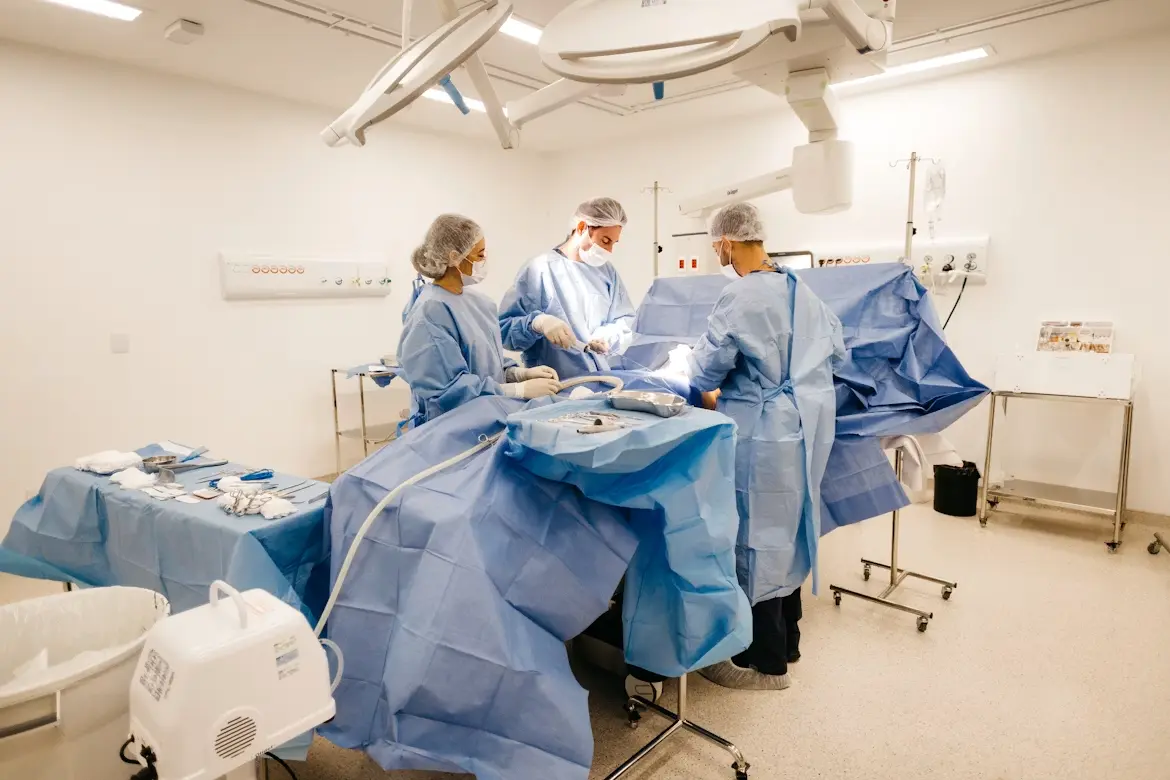
Breast augmentation is performed in our AAAHC-accredited office-based surgical suite in Peoria, Arizona, with hospital-grade monitoring and safety protocols. Many patients have local anesthesia with conscious sedation for a comfortable experience and smooth recovery. General anesthesia is used when indicated. You return home the same day with detailed aftercare instructions and a direct line to our team.
If you are comparing options or planning a combined procedure such as a lift with implants, explore our breast procedures to understand how decisions are personalized to you. If you would like to learn more about our setting and accreditation, read about our office-based surgical suite and fully accredited surgical center.
Cost, pricing factors, and financing
How much does cosmetic breast surgery cost in Arizona? Fees vary based on implant type, surgical complexity, time in the facility, and anesthesia needs. Combining procedures, such as a breast lift with implants, will increase overall cost. After your consultation, you will receive a written, individualized quote that outlines surgeon fees, facility and anesthesia estimates, and implant costs.
Common cost drivers:
- Implant type and style (silicone vs. saline, profile, and texturing)
- Add-on procedures such as a lift, fat grafting, or revision work
- Facility and anesthesia time based on case complexity and goals
Peoria Cosmetic Surgery partners with CareCredit and Cherry for financing. We also accept major credit and debit cards, cash, money orders, and cashier’s checks. For current availability and to start a conversation about your plan, schedule a consultation for cosmetic breast surgery with our team.
A quick note on location: One of the supplied reader questions mentioned Peoria, IL. Our practice is located in Peoria, Arizona. Pricing differs by region and surgeon, so we recommend comparing local practices and confirming what is included in each quote if you are researching costs in Illinois.
Recovery, pain control, and activity timeline
You will leave with a soft support bra and detailed instructions. Most patients describe pressure and soreness for the first few days that improve with prescribed medications and rest. Swelling is expected, and implants will settle over several weeks to months.
Typical timeline:
- First 2 to 3 days: Rest, walk indoors, keep the bra on as directed, and use ice or cool compresses as advised.
- Week 1: Many patients feel better each day and can resume light daily tasks.
- Weeks 2 to 3: Gradual return to desk work is common if lifting is limited.
- Weeks 4 to 6: With surgeon clearance, increase activity and begin low-impact exercise. Avoid heavy lifting until you are cleared.
- Months 3 to 6: Continued softening and settling. Scars continue to mature.
Follow-up visits are scheduled to check healing, guide activity, and support scar care. For additional guidance on what recovery feels like in real life, see our breast augmentation recovery resources tailored to Peoria patients.
Expected results and realistic trade-offs
Dr. Gal prioritizes proportion and soft, natural-looking contours. Expect immediate improvement in volume, with the final shape refining as swelling subsides and implants settle. Trade-offs include discreet scars, the possibility of sensation change, and the likelihood of future revision or exchange at some point in your lifetime. Capsular contracture, rippling, and implant malposition are known risks, though careful technique and follow-up reduce the chance of issues. Your consultation will include a candid discussion of benefits and risks, and the steps we take to optimize your outcome.
Quick FAQ: scheduling, costs, risks, and logistics
- How much is breast augmentation in Peoria, IL? Prices vary by region and surgeon. Our practice is in Peoria, Arizona; if researching Illinois, compare local quotes and what is included, and expect total fees to vary by implant type, anesthesia, and facility time.
- How much does cosmetic breast surgery cost? Breast augmentation fees in Arizona vary based on implant choice, case complexity, and whether a lift or fat grafting is added. You will receive a personalized written quote after your consultation.
- What are the risks of augmentation? Risks include bleeding, infection, capsular contracture, changes in sensation, implant malposition, rippling, need for revision, and anesthesia-related risks. Your surgeon will review your specific risk profile and prevention strategies.
- How does body type affect implant choice? Chest width, tissue thickness, and skin elasticity guide base width and profile so the result looks proportional. Measurements and test sizers help align your anatomy with your aesthetic goals.
- Is it cheaper to get implants or fat transfer? Costs can be similar and depend on goals. Implants often deliver more predictable volume in one surgery; fat transfer can be subtle and may require staged sessions.
Required logistics FAQ
- How far out are you booking consultations and surgeries? Consults are typically available within a few weeks, and surgery dates are often scheduled several weeks to a few months out. Availability changes, so call our office to check current openings and waitlist options.
- How soon can I schedule surgery after my consult? Many patients schedule within a few weeks to a couple of months after their consultation. Your timeline depends on medical readiness, testing, and the calendar.
- How long is the recovery time? Most patients are back to light routines in about 1 to 2 weeks, with exercise phased in by 4 to 6 weeks. Your surgeon will personalize milestones based on your healing.
- How much time will I need off work? Desk work often resumes in 5 to 10 days; jobs that involve lifting may require 2 to 4 weeks or more. Your exact timeframe depends on your role and recovery.
- When can I drive after surgery? You can usually drive when you are off prescription pain medication, can safely react, and feel comfortable with shoulder movement. Your surgeon will clear you based on your progress.
- When can I exercise again? Gentle walking starts right away, low-impact exercise often resumes around 3 to 4 weeks, and higher-impact or upper-body work returns closer to 6 weeks. Your clearance is individualized.
- Do I need someone to stay with me after surgery? Yes, a responsible adult should stay the first night and ideally the first 24 to 48 hours to help with safety and basic needs. We will confirm specifics for your case.
- What pre-op labs or testing do I need? Testing varies by age, health history, and procedure; common items include basic labs, an EKG when indicated, and a pregnancy test when applicable. Your coordinator will provide a checklist after your medical review.
- Do I need medical clearance from my primary doctor? Some patients need clearance from a primary care physician or specialist based on health conditions and risk. Dr. Gal will request clearance if needed and guide you through the process.
- When is my pre-op appointment scheduled? Pre-op appointments are typically set 1 to 3 weeks before surgery to review instructions, finalize consents, and complete remaining tasks. Your coordinator will confirm timing once your date is booked.
- How many follow-up appointments after breast augmentation? Expect early checks in the first week, then additional visits over the next several weeks and months. The schedule is tailored to your healing and any combined procedures.
Why choose Dr. Gal in the West Valley
Patients choose Peoria Cosmetic Surgery for boutique, surgeon-led care in an accredited setting and for results that look like you, just fuller and more proportionate. Dr. Gal’s approach is collaborative and communicative, with a team that stays close during recovery and beyond. If you are also exploring breast lift with implants, our breast procedures page offers more detail on combined planning and expected timelines.
Next step
Ready to talk through sizing, incision choices, and your recovery plan with a compassionate, precise surgeon? Book a consultation with our Peoria board-certified plastic surgeon, Dr. Shaili Gal, to create a plan that fits your body and goals. If you are comparing options for breast augmentation in Peoria, you can also browse our post-op care and recovery guidance for additional perspective before your visit. Final recommendations are always personalized after consultation.