

Planning a tummy tuck and breast augmentation together can be exciting and a little overwhelming. You want a flatter abdomen, fuller breasts, and the confidence that comes with both. You also want a clear, honest picture of recovery so you can plan time off, line up support at home, and return to normal life safely.
This guide outlines what most patients experience in the first days and weeks, what affects downtime, and when many people feel ready to work, drive, and exercise again. We also touch on technique choices and anesthesia so you know what to expect before and after surgery.
At Peoria Cosmetic Surgery, Dr. Shaili Gal and our team focus on patient-centered planning and natural-looking results. Surgeries are performed in our AAAHC-accredited office-based surgical suite with hospital-grade monitoring. Your plan, timeline, and follow-up are individualized, and we are here to support you at every step.
What to expect right after surgery
You will go home the same day with detailed instructions, a surgical bra, and an abdominal binder or compression garment. Most patients feel pressure, soreness, and tightness in the abdomen and chest for the first several days. Oral pain medication, muscle relaxants when indicated, and scheduled rest help keep you comfortable.
Swelling and bruising are common for the first 2 to 3 weeks, with the majority of swelling improving over 6 to 8 weeks. If drains are used for a full tummy tuck, they typically remain for several days to a week, depending on output. You will be encouraged to walk short distances at home, keep your torso slightly flexed to protect the incision, and avoid lifting, pushing, or pulling.
Your first two weeks: milestones and movement
- Days 1 to 3: Rest, hydration, short walks around the house, and head-of-bed elevation are your priorities. You will wear your surgical bra and abdominal binder at all times unless showering, as directed.
- Days 4 to 7: Most patients notice easier mobility and better pain control. Many can take short, slow walks outside. Drains, if placed, are often removed in this window, based on output and your exam.
- End of week 2: Light daily activities feel more manageable. Desk work may be realistic for some patients at this point, but heavy lifting and core strain remain off limits.
Your first follow-up visits will confirm incision healing, garment fit, drain status, and any medication adjustments. Call the office with concerns such as increased redness, fever, or sudden swelling.
Weeks 3 to 6: back to life, with limits
From weeks 3 to 4, many patients return to desk-based or hybrid work, provided they can avoid lifting and take walking breaks. Gentle stretching and low-incline treadmill walking can resume once cleared. Most patients can drive once they have stopped prescription pain medication, can wear a seat belt comfortably, and can react quickly without pain. This typically occurs within 1 to 2 weeks for breast augmentation alone, and closer to 2 to 3 weeks when a tummy tuck is included. Always follow your surgeon’s clearance.
From weeks 4 to 6, swelling continues to improve, and you can gradually add low-impact cardio. Core work, running, and strength training are usually reintroduced after 6 weeks, stepwise, once you are cleared. The abdominal repair needs time to heal, so avoid planks, crunches, and heavy lifting until your surgeon says it is safe.
How technique choices can affect downtime
- Full vs. mini tummy tuck: A full abdominoplasty addresses extra skin above and below the belly button and often includes muscle repair, which increases core restrictions and early discomfort. A mini tummy tuck targets the area below the navel, typically with a shorter incision and no belly button repositioning, which can mean a shorter recovery.
- Implant placement: Submuscular (under the chest muscle) placement can create a bit more initial chest soreness than subglandular (above the muscle), but both approaches are designed for safe, precise outcomes based on your anatomy and goals.
- Incisions: For breast augmentation, small inframammary incisions in the breast fold are common and help keep scars discreet while allowing accurate implant placement.
These decisions are made with you during consultation to balance aesthetics, safety, and your lifestyle.
Anesthesia and our accredited setting
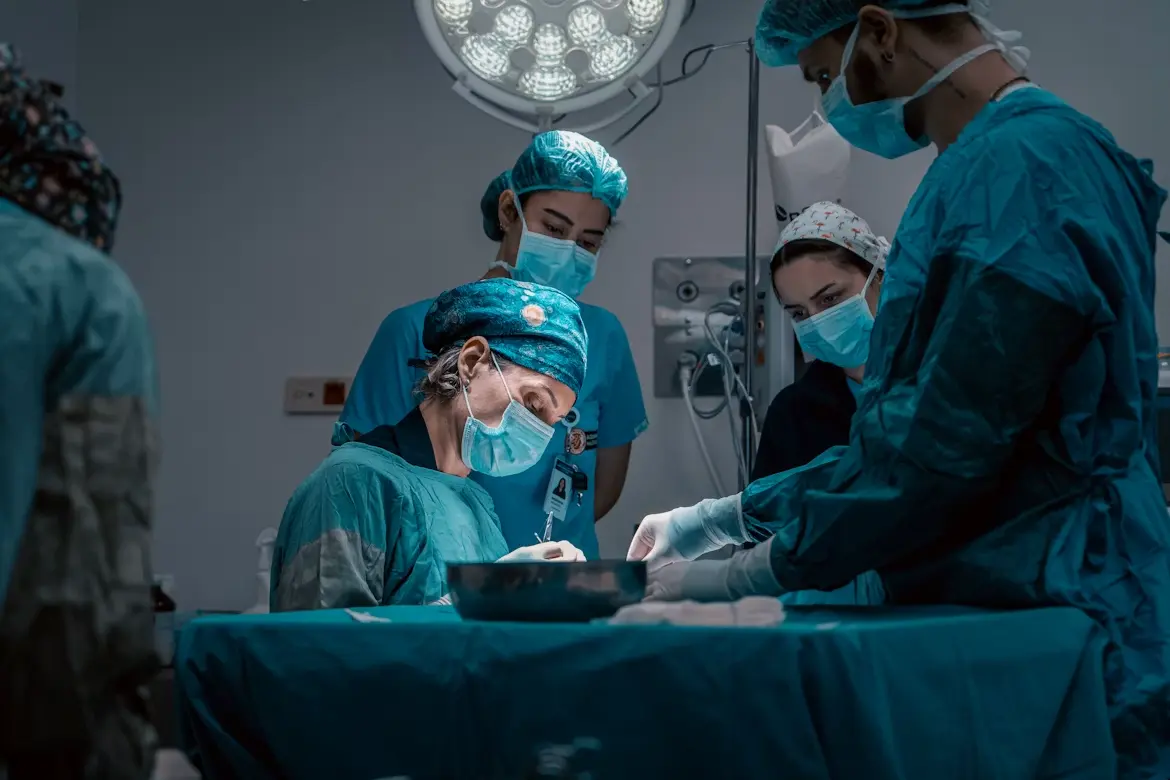
Most procedures at Peoria Cosmetic Surgery are performed with local anesthesia plus conscious sedation in our AAAHC-accredited office-based surgical suite. General anesthesia is used when appropriate. Regardless of the method, you will have continuous monitoring, and a responsible adult must drive you home and stay with you the first night.
If you are exploring your options and would like a personalized plan, you can learn more about our approach with a Peoria Cosmetic Surgery consultation. It is easy to start a conversation with a Peoria board-certified plastic surgeon in an accredited setting.
Scar care and long-term healing
Incisions mature over months. Expect pink, raised lines in the first 6 to 12 weeks that gradually flatten and fade over 6 to 12 months or longer. Protect scars from the sun with clothing and broad-spectrum SPF. Your team will guide you on silicone gel or tape, massage, and timing for any additional treatments. Breast implants also go through a settling process that can take several months, so the final shape evolves with time.
Typical return timelines at a glance
- Off work: 1 to 2 weeks for desk work when tummy tuck and breast augmentation are combined, sometimes sooner with a mini tummy tuck. Active or lifting jobs may require 3 to 4+ weeks.
- Driving: Often 2 to 3 weeks for combined procedures, and 1 to 2 weeks for breast augmentation alone, once you are off prescription pain medication and can react comfortably.
- Exercise: Walking starts right away. Low-impact cardio often begins around 3 to 4 weeks. Core work, lifting, and vigorous workouts are typically delayed until 6+ weeks, with surgeon clearance.
Timelines vary. Your health, surgical plan, and home support all factor into your pace.
FAQ: scheduling, recovery, and pre-op logistics
- How far out are you booking consultations/surgeries? Most patients can schedule a consultation within a few weeks, and surgery dates are typically available several weeks to a few months out. Availability changes, so call our office for the current schedule and options that match your timeline.
- How soon can I schedule surgery after my consult? Many patients book surgery at the consultation or shortly after once their plan is finalized and deposits are arranged. Actual timing depends on the calendar, pre-op requirements, and your personal schedule.
- How long is the recovery time? Initial recovery for daily activities is often 1 to 2 weeks, with a progressive return to exercise over 4 to 6+ weeks. Your surgeon will tailor restrictions and clear you based on your healing.
- How much time will I need off work? Desk work often resumes around 1 to 2 weeks for combined procedures, while physical jobs may require 3 to 4+ weeks. Your exact time off depends on your role and how you feel.
- When can I drive after surgery? A common window is 2 to 3 weeks for a tummy tuck with breast augmentation once you are off prescription pain medication and can brake safely. Your surgeon will confirm readiness at follow-up.
- When can I exercise again? Light walking starts right away, low-impact cardio often at 3 to 4 weeks, and core work or lifting after 6+ weeks. Your progression will be customized by your care team.
- Do I need someone to stay with me after surgery? Yes, a responsible adult should drive you home and stay the first night, and often the first 24 to 48 hours, to help with basic needs and safety. Your care team will confirm recommendations based on your procedure and home support.
- What pre-op labs or testing do I need? Testing varies by age, health history, and procedure complexity, and can include basic labs, an EKG for certain patients, and a pregnancy test when applicable. Your coordinator will provide a checklist after your medical review.
- Do I need medical clearance from my primary doctor? Some patients need clearance from a primary care physician or specialist depending on health conditions and planned anesthesia. Your surgeon will request clearance when indicated and guide you through next steps.
- When is my pre-op appointment scheduled? Pre-op visits are typically held 1 to 3 weeks before surgery to finalize instructions, consents, and any remaining testing. Your coordinator will schedule this once your surgery date is set.
How we personalize your recovery plan
No two bodies or surgeries are the same. Dr. Gal adjusts garment use, drain management, pain control, and activity guidelines to your needs. You will receive written instructions, direct contact information, and scheduled follow-ups to keep you on track. Our goal is to help you heal well while protecting your results.
If you are exploring a combined tummy tuck and breast augmentation or related procedures, schedule a Peoria cosmetic plastic surgery consultation to discuss goals, options, and timing. To see how we support you after surgery, read our breast augmentation recovery guidance for Peoria patients.
Summary and next step
Most patients feel ready for light daily life within 1 to 2 weeks, resume desk work around the same time, and return to fuller activity over 4 to 6+ weeks, with final refinement continuing for months. Technique choices, your health, and your home support influence the pace. For a tailored timeline and plan, contact Peoria Cosmetic Surgery to schedule a consultation with Dr. Gal in our AAAHC-accredited office-based surgical suite. We will map out your procedure, recovery, and follow-up so you can plan with confidence.