

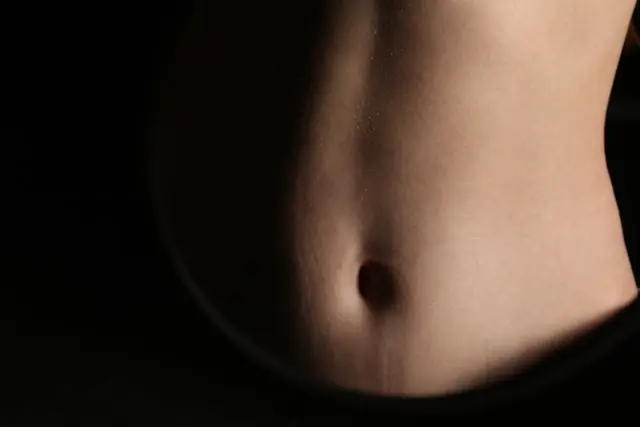
Considering a tummy tuck can feel exciting and overwhelming at the same time. You want a smoother, tighter abdomen and clothes that fit better, but you also want to understand your options, the recovery, and what results are realistic.
At Peoria Cosmetic Surgery, Dr. Shaili Gal, MD, a double board-certified plastic surgeon, performs tummy tuck surgery (abdominoplasty) in our AAAHC-accredited, office-based surgical suite. Our approach is patient-centered and safety-focused. This guide walks you through candidacy, technique choices, pricing factors, anesthesia, recovery, scars, and the timeline to results so you can make a confident decision.
What a tummy tuck can and cannot do
A tummy tuck (abdominoplasty) removes extra skin and improves abdominal contour. When needed, it also tightens separated abdominal muscles (diastasis recti) and can be combined with liposuction for shaping. It is not a weight-loss procedure. Most patients lose only a few pounds from skin and fat removal, though clothing size and waistline shape can change significantly.
Good candidates are near a stable goal weight, with realistic expectations and good overall health.
Mini vs. full vs. extended tummy tuck
- Mini tummy tuck: Targets loose skin and mild bulging below the belly button. The incision is typically shorter and lower on the abdomen, and the belly button is not repositioned. Ideal for patients with limited lower-abdominal skin laxity, minimal to no muscle separation above the navel, and a relatively flat upper abdomen.
- Full tummy tuck: Addresses extra skin and muscle laxity both above and below the belly button. The incision runs hip to hip (placed low to stay within underwear or swimwear when anatomy allows) and the belly button is reshaped and brought through a new opening. This is the most common approach after pregnancy or weight fluctuation.
- Extended tummy tuck: For patients with significant lateral or flank skin excess. The incision extends around the sides to address loose skin that wraps toward the back. This option can be helpful after major weight loss.
For select patients, Dr. Gal may use a high-lateral tension abdominoplasty approach. This technique helps keep the scar low, supports the lateral abdomen, and creates a natural-looking umbilicus. During consultation, you and your surgeon will decide which pattern best matches your anatomy and goals.
When is Lipo360 or muscle repair added to a tummy tuck?
- 360-contouring (often called Lipo360): Liposuction around the abdomen, waist, and back can enhance the overall silhouette by reducing stubborn fat and improving the waist taper. It is typically added when fat distribution blunts the waistline despite skin removal.
- Muscle repair (rectus plication): If pregnancy or weight changes stretched and separated the abdominal muscles, internal sutures can bring them back together to flatten the core profile. Patients often notice improved posture and a tighter midsection contour, not necessarily a large change on the scale.
Candidacy, BMI, and health considerations
Ideal candidates have a body mass index (BMI) in a healthy or moderately elevated range, are nonsmokers, and have maintained a stable weight for several months. Active smoking increases the risk of wound healing problems. Our standard policy is no smoking for 4 weeks before and 4 weeks after surgery. You will review your health history, medications, prior surgeries, and any conditions like diabetes or clotting disorders. Significant uncontrolled medical issues can delay or disqualify surgery until optimized.
If you are unsure where you fit, a one-on-one evaluation will clarify your safest, most effective options. To learn more about our practice and approach, explore Peoria Cosmetic Surgery and schedule a consultation with Dr. Gal, a board-certified plastic surgeon in Peoria, AZ. consultation with a Peoria board-certified plastic surgeon.
Anesthesia, setting, and technique details
Procedures are performed in our AAAHC-accredited office-based surgical suite with hospital-grade monitoring. Many abdominoplasties are safely done using local anesthesia with conscious sedation, which avoids deep general anesthesia for appropriate candidates. General anesthesia is used when indicated based on your health and procedure complexity. Drains may be used to prevent fluid buildup, or a drainless technique may be selected when tissue handling and quilting sutures make it appropriate. Your plan is tailored to your anatomy and risk profile.
Scars and realistic results
All tummy tucks create a lower abdominal scar. The length and exact placement depend on your skin excess and technique. We prioritize low, symmetric scar placement and careful closure to support good scar maturation. Early results are visible within weeks as swelling subsides, but scars soften and fade over months. Final contour and scar appearance can take 6 to 12 months to fully settle.
What affects cost
Surgical fees are individualized after consultation and depend on:
- Mini vs. full vs. extended technique
- Whether muscle repair is needed
- Amount of liposuction or 360-contouring
- Anesthesia approach and time in the operating room
- Facility and postoperative care needs
Because these variables differ case by case, we provide a written surgical quote after your consultation. Third-party financing such as CareCredit and Cherry may be available; confirm current terms with the lender.
If you are gathering options in the area, our team can walk you through tummy tuck choices in Peoria and how combination treatments like liposuction can refine results.
Recovery roadmap and follow-up
Expect to go home the same day with a responsible adult. Plan for a few key phases:
- Days 1 to 3: Rest, short walks around the house, pain and swelling managed with medication, compression garment if prescribed. Many patients walk slightly bent at the waist to reduce tension.
- Week 1 to 2: Gradual increase in light activity, avoid lifting more than 10 pounds. Drain removal typically occurs within the first 1 to 2 weeks if drains are placed.
- Weeks 3 to 6: Return to desk work is common around 10 to 14 days for many patients, with continued activity restrictions. Light cardio can often resume around week 3 to 4, avoiding core strain until cleared.
- 6 weeks and beyond: Progressive return to full exercise, including core work, once you are cleared. Swelling continues to diminish for several months.
Follow-ups are scheduled to monitor healing and guide your activity progression. Your exact timeline will vary based on your health, the extent of surgery, and how your body heals.
FAQ: quick answers to common questions
- How much does a tummy tuck cost? Fees vary based on technique, muscle repair, and any liposuction added; we provide a personalized, written quote after your consultation. Financing options may be available, and our team can review them with you.
- What is a mini tummy tuck and who qualifies? A mini tummy tuck tightens loose skin limited to the lower abdomen and may include minor muscle tightening below the belly button. It suits patients with good skin tone above the navel and minimal upper-abdominal laxity; your evaluation confirms if a mini is sufficient.
- What is a 360 tummy tuck and when is it used? The term usually refers to adding circumferential liposuction around the waist and back with a traditional abdominoplasty. It is used when fat distribution around the torso blunts the waistline and overall contour.
- What disqualifies you from a tummy tuck? Uncontrolled medical conditions, active smoking, unstable weight, or unrealistic expectations can delay or disqualify surgery until addressed. Your surgeon will assess risks and help you optimize candidacy.
- Do I need someone to stay with me after surgery? Yes, most patients need a responsible adult to stay for the first night to assist with basic needs and safety after anesthesia. Your care team will confirm how long support is recommended for your procedure.
- What pre-op labs or testing do I need? Testing varies by age, health history, and procedure scope; common items include basic labs, an EKG when indicated, and a pregnancy test when applicable. Your coordinator will list required tests after reviewing your medical history.
- Do I need medical clearance from my primary doctor? Some patients need clearance from primary care or specialists based on conditions like heart or lung disease. Your surgeon will request clearance when appropriate and guide you through next steps.
- When is my pre-op appointment scheduled? Pre-op visits are typically set 1 to 3 weeks before surgery to review instructions, consents, and logistics. Your coordinator will confirm exact timing once your surgery date is booked.
- How far out are you booking consultations and surgeries? Availability varies seasonally; many patients can be seen in a few weeks and schedule surgery several weeks to a few months later. Call our office for current openings and cancellation opportunities.
- How soon can I schedule surgery after my consult? Once you complete medical clearance and pre-op steps, many patients can secure a date within the next available surgery block. Your timeline depends on testing, personal schedule, and surgeon availability.
- How long is the recovery time? Most patients return to desk work in about 10 to 14 days and resume progressive exercise by 4 to 6 weeks. Your exact recovery depends on procedure extent and individual healing.
- How much time will I need off work? Desk jobs often require 1 to 2 weeks off; more physical jobs may require 3 to 4 weeks or a modified return. Your surgeon will personalize recommendations for your role.
- When can I drive after surgery? You may drive once you are off narcotic pain medication and can react comfortably, often around 1 to 2 weeks. Your surgeon will clear you based on your progress.
- When can I exercise again? Gentle walking starts immediately; light cardio often resumes around weeks 3 to 4, and core or heavy lifting around 6 weeks or later. Your surgeon will tailor this timeline to your procedure.
The bottom line
A tummy tuck can tighten loose skin, refine your waistline, and restore core contour, especially when combined with selective liposuction or muscle repair. Technique, scar placement, and recovery are highly individualized, and results unfold over weeks to months. If you would like to discuss mini vs. full vs. extended abdominoplasty and the role of 360-contouring, schedule a Peoria cosmetic plastic surgery consultation with Dr. Gal. Our team is happy to review options, timelines, and next steps so you feel prepared and supported from consult to recovery.